
Business
Blacks ‘Segregated’ in Low-Paying Retail Jobs


Blacks paid less in retail (Photo credit: Tomwsulcer/CC0 public domain)
By Jazelle Hunt
Washington Correspondent
WASHINGTON (NNPA) – More than 1.9 million Black Americans work in retail, accounting for 11 percent of the industry’s total workforce. Despite being the second-largest source of employment for Black workers, new data from the NAACP and equality advocacy organization, Demos, finds that the industry is rife with racial inequality and poor earning potential.
According to the report, titled “The Retail Race Divide,” full-time Black and Latino salespersons earn 75 percent of the wages of their White counterparts. For Black and Latino cashiers, the figure is 90 percent. Further, Black and Latino workers are sometimes stuck in “occupational segregation;” not only are they overrepresented in low-wage industries such as retail, but they’re also overrepresented in the lowest paying positions within these industries. Consider: Black people make up 11 percent of the retail force, but 6 percent of those in managerial or leadership roles.
“They are, in effect, segregated by color and income. Now, not segregated as a matter of law, as was the case many years ago…but certainly by circumstance, by industry practice. Even where we don’t have overt discrimination that violates Title VII [of the Civil Rights Act], there are subtle forms of discrimination that may also violate Title VII, but are less obvious,” says Cornell William Brooks, president and CEO of the NAACP.
“It’s not necessarily that a company has a policy that says African Americans and Latinos should be overrepresented at the cash register and in lower paid positions. But rather, if they do not have policies to ensure that African Americans and Latinos have access to and are encouraged to apply for better paying positions as managers, there’s something profoundly wrong.”
Brittany O’Neal has worked in retail for three years, most currently in the Fashion Centre at Pentagon City in Arlington, Virginia. The 25-year-old full-time student is a few credits shy of earning a criminal justice degree, but also works full-time hours as a salesperson to support her 3-year-old son.
“The store I work at…comes with a lot of customer service. Sometimes you work really hard and [customers] end up just returning everything,” she says. “[Our pay] is all commission, unless you don’t make enough. Then you get your hourly wage.”
O’Neal says support from her family and managers in accommodating her schedule make it easier to earn enough money and still finish school. Not everyone is so fortunate; according to the report, retail wage disparities also happen through inadequate and unreliable scheduling practices. While Black, White, Latino, and Asian people work part-time at even rates, nearly half of all Black and Latino retail workers would prefer full-time hours (compared to 29 percent of Whites and Latinos). The report’s measure doesn’t include workers who want more hours while remaining part-time, which would likely play out along racial lines as well.
There’s also the difficulty in being “on-call,” a common practice among retail managers.
“Although just-in-time scheduling can have negative effects for any retail worker, there is reason to believe that the burden is disproportionately heavy on Black and Latino workers,” the report states, adding that this is the population most likely to juggle their educations, parenting, and additional employment while holding a retail job.
“Moreover, due to residential segregation and other socioeconomic constraints, Black workers have longer commute times than White workers, leading to greater time and money costs when their shifts are cut short.”
The disparities spell serious repercussions for Black Americans, and particularly Black families. Fully 17 percent of Black retail workers live below the poverty line, compared to 9 percent of retail workers overall. More than half of Black workers are responsible for at least half their household’s income, and they are the most likely of all retail workers to be the sole breadwinner in their households – 26 percent are, compared to 15 percent of White workers, and 18 percent of retail workers overall. Black retail workers are also significantly more likely to be raising children on these wages – 65 percent are, compared to the overall 33 percent.
And, according to recent analysis from the National Low Income Housing Coalition –an affordable housing research and advocacy organization – there’s nowhere in the country where a full-time minimum wage worker can afford a one-bedroom apartment (priced at the Department of Housing and Urban Development’s standard of Fair Market Rent), without paying more than 30 percent of their income.
“There’s this notion that people working in the retail industry are young, inexperienced, and lack dependents. But here’s the blue-collar reality: 90 percent of African American and Latino retail workers are over 20 years of age, and half of them provide at least 50 percent of the income their families need to survive,” Brooks says. “We’re not talking about adolescents at the cash register working part time or working to add a little something to their young budgets. We’re talking about people who have families to support.”
The effects of these disparities extend beyond retail workers’ households.
As the report explains, “Service industry employment became more central to the well-being of American workers, but the low wages and uncertain schedules that characterize that employment undermined household financial security and, by extension, growth and stability for the economy overall.”
In short, low household income translates to low consumerism, poor wealth generation, poor entrepreneurship, and slower growth in the overall economy.
The NAACP/Demos report suggests that the problems can be alleviated if retailers raise the wages for their least paid positions, as well as through state and federal policies. It also points out that legal battles and union actions have been useful tools in securing better outcomes for retail workers.
Brooks encourages people to challenge the status quo through interpersonal, legal, and civic avenues.
He says, “One of the best allies in the fight for a living wage is the NAACP. So I’d encourage people to join local branches of the NAACP, help us organize for living wages, and help us make it clear to the country that you should not have to work hard to be poor.”









Black History
IN MEMORIAM: Marcia Ann Gillespie, Editor of Essence and Ms. Magazines, Dies at 82
Marcia Ann Gillespie, the trailblazing journalist who served as the first editor-in-chief of Essence magazine, has died at age 82. After joining the publication at its inception in 1970, Gillespie spent a decade elevating the beauty and voices of Black women during a pivotal era of self-love and cultural revolution. She later broke barriers as the first Black woman to lead Ms. magazine, further solidifying her status as a titan of the publishing industry. Her expansive career also included authorship and teaching, leaving a profound impact on American media. Read more.
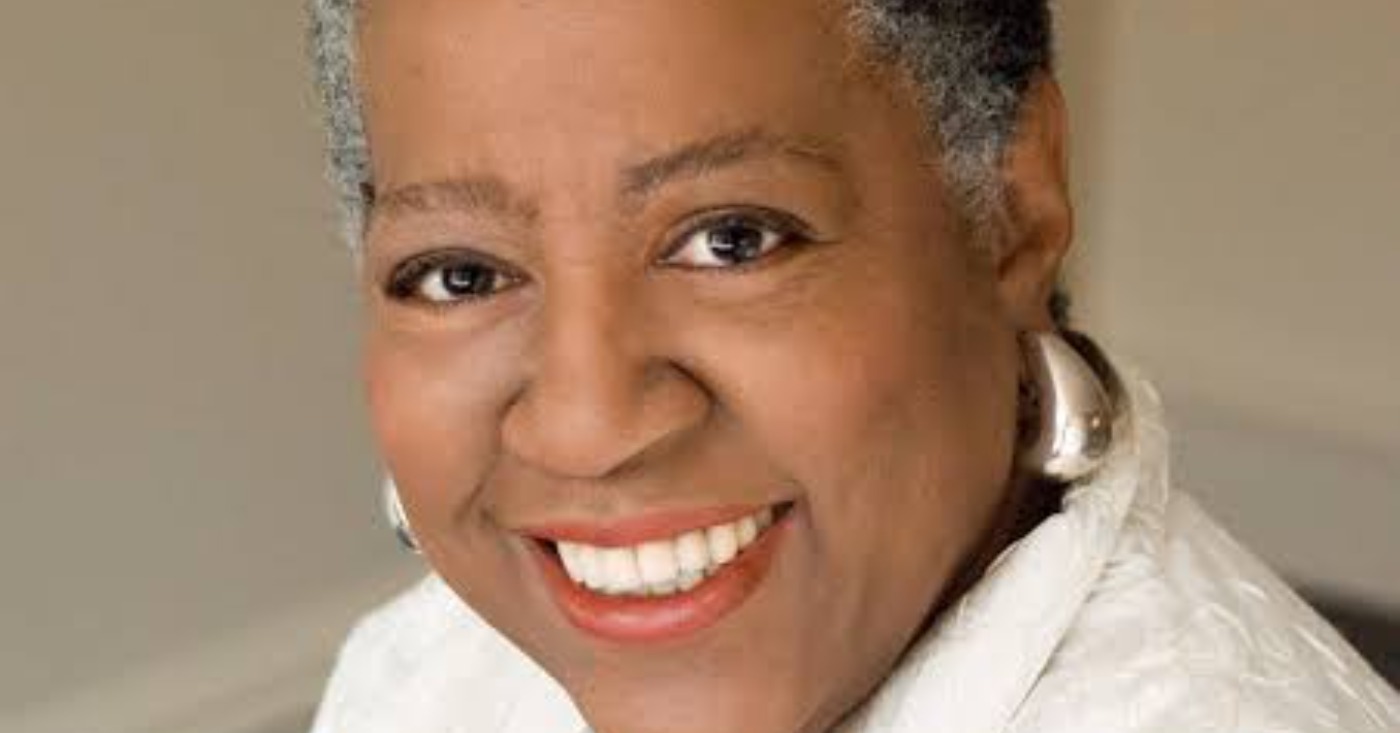
Marcia Anna Gillespie, the first editor in chief of Essence magazine, has died. She was 82.
Born in Rockville Centre, New York, in 1944. The daughter of a church sexton/small business owner and domestic worker/caterer, Gillespie parlayed her degree in American studies from Illinois’s Lake Forest College into a research job at Time-Life Books, Inc. in New York.
There she advocated for fairness and inclusion of Black life in its publications. When the owners of the standard bearer of Black life, Ebony magazine, ventured into creating a special publication for young, Black women, Gillespie was hired as managing editor in 1970, and became editor-in-chief a year later at the young age of 26.
At the time, the venture by the Johnson family – the owners of Ebony magazine and Jet – into creating a publication for young Black women met the growing revolution of self-love in the Black community.
In other words, the battle cry of the late 1960s, “Black is Beautiful,” had a place to be seen and not just heard.
Thousands of young women who had already abandoned straightening combs and European aesthetics learned more ways to wear their natural hair from Afros to cornrows. Young Black designers got a place in the spotlight not just in clothing but jewelry that expressed neo-African ideals. But one of the most important impacts was the magazine’s unapologetic elevation of the beauty of the dark-skinned Black female to the status she deserved.
Under Gillepie’s tenure, Essence championed storytelling that celebrated Black women’s identities, experiences, and contributions at a time when their voices were often overlooked in mainstream media,” Essence wrote in a statement posted to Instagram
For 10 years she steered the fledgling publication before joining Ms. Magazine as a contributor in 1980 later becoming the first Black woman to edit a mainstream American magazine when she took charge in 1992.
In 1998, she helped secure the publication’s future through a women-led ownership group. She stayed at Ms. In various capacities until 2001, during which time the magazine had the most diverse readership in its history.
She also mentored future Essence editor Susan L. Taylor and taught young journalists at SUNY Old Westbury.
Emmy-winning actor Sheryl Lee Ralph took to social media to honor Gillespie’s life.
“Rest in peace, dear Marcia Gillespie,” she wrote on Threads. “Your voice, your brilliance, and your commitment to lifting up Black women leaves a legacy that will continue to inspire me and so many others.”
A professor at SUNY Old Westbury and Bennett College, she also co-authored the authorized biography “Maya Angelou: A Glorious Celebration” in 2008.
According to Wikipedia, she also served on various boards as a director or advisor, including: “…the Arthur Ashe Institute of Urban Health, the Black & Jewish Women of New York, the Violence Policy Center in Washington, D.C., Aspen Institute, …and the Studio Museum of Harlem. Gillespie is a member of the National Council of Negro Women and the American Association of Magazine Editors.”
She was the recipient of several awards, including: the Lake Forest College Outstanding Alumni Award (1973), the New York Women in Communications Matrix Award (1978); a Lifetime Achievement Award from the New York Association of Black Journalists for print journalism (1982); a ‘Top Ten Outstanding Women in Magazine Publishing’ recognition by the March of Dimes.
In later years she was inducted into the American Society of Magazine Editors’ Hall of Fame (2002); the NAACP President’s Award (2006) and the Barbara Graves Legacy Award at the Black Enterprise Women of Power Summit in 2017.
The conclusion for her online obituary reads: “She leaves behind a legacy written not just in the pages she edited, but in every editor, journalist, and reader who found themselves — finally — in the stories she chose to tell.”
Online sources for this report include “The History Makers,” The Washington Informer, Wikipedia, Essence magazine, Ms. Magazine and her obituary.
Black Press
Oakland Latino Chamber of Commerce Hosts Statewide Convention, Generating $3 Million in Economic Impact
The Oakland Latino Chamber of Commerce recently hosted the 47th Annual California Hispanic Chambers of Commerce Statewide Convention, drawing more than 1,000 attendees to the city. The event generated an estimated $3 million economic impact, benefiting local retailers, hotels, and small businesses throughout the region. Organized in partnership with Visit Oakland, the convention featured a marketplace for local entrepreneurs and focused on advancing economic prosperity for Latino-owned businesses. Several innovative features were introduced during the summit to provide lasting resources for the state’s business community, read more.
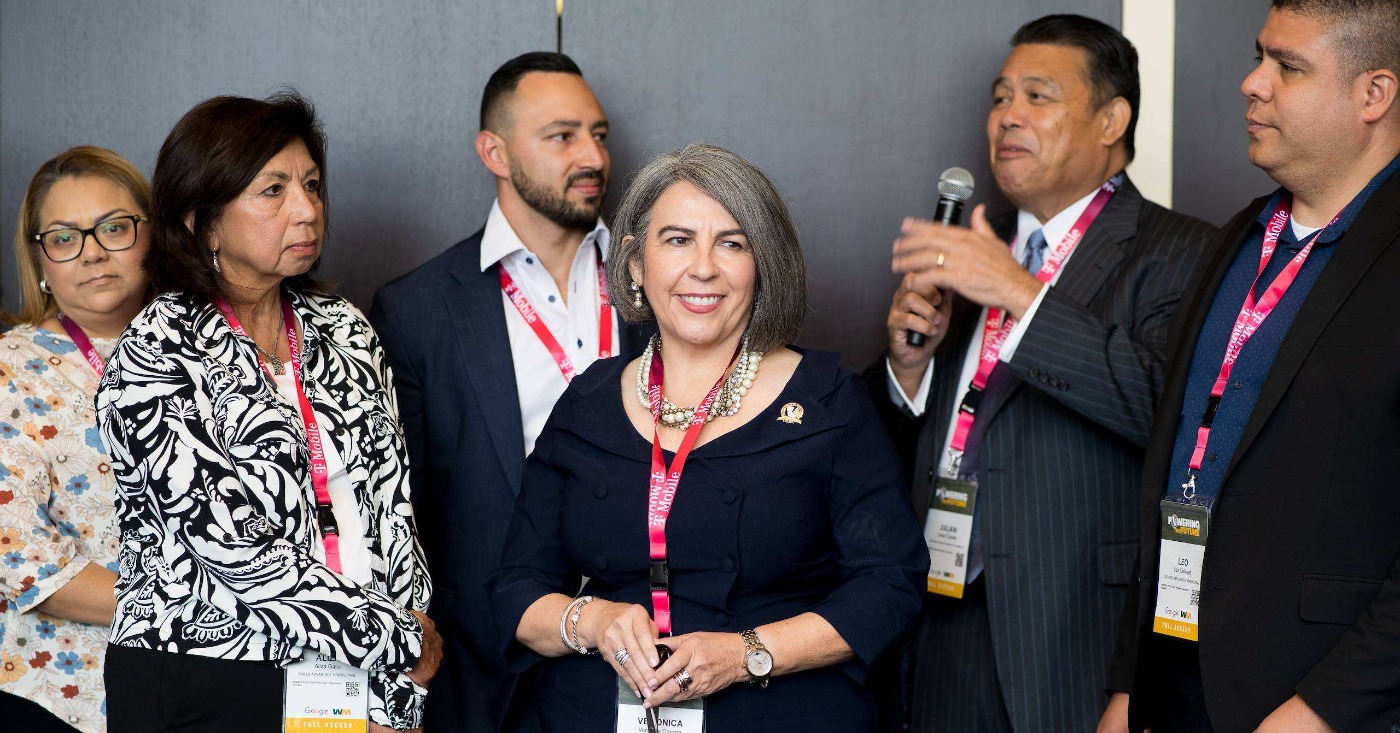
The Oakland Latino Chamber of Commerce (OLCC) recently served as the Host Chamber for the 47th Annual California Hispanic Chambers of Commerce (CHCC) Statewide Convention, held in Oakland in August 2026.
The Convention welcomed more than 1,000 attendees from throughout California and generated an estimated $3 million economic impact for the City of Oakland, providing significant support to local hotels, restaurants, transportation providers, retailers, and small businesses.
In conjunction with Visit Oakland, OLCC brought in various local sponsors and worked closely with the California Hispanic Chamber of Commerce, to make the Oakland Convention a success.
The success of the 47th Annual CHCC Statewide Convention demonstrates what is possible when business leaders, entrepreneurs, community organizations, and public partners work together with a shared vision, said Aliza Gallo, president of the OLCC.
“By welcoming more than 1,000 attendees and generating an estimated $3 million economic impact, we not only showcased Oakland as a premier destination for business and innovation but also created lasting opportunities for local businesses and entrepreneurs,” said Gallo, who also served as co-host of the event.
She adds that the “convention elevated Oakland’s visibility, strengthened statewide and local partnerships, and reinforced the Oakland Latino Chamber of Commerce’s commitment to advancing economic prosperity for our members and our community.”
As part of its leadership role, OLCC introduced two innovative features designed to extend the convention’s impact beyond the event itself. Conference workshops were recorded and made available for continued learning and professional development.
These recordings will be shared with OLCC members and made available for broader public access, expanding educational opportunities for businesses and entrepreneurs throughout California. The workshop content will also be distributed to the 85 Latino Chambers and Affiliate Members within the CHCC network, which collectively is 135 member organizations statewide.
In addition, OLCC created and managed the Oakland Mercadito, a vibrant marketplace showcasing local Latino and Latina entrepreneurs. The Mercadito provided small business owners with an opportunity to market their products and services, connect with new customers, and gain exposure to business and community leaders from across the state.
The initiative highlighted Oakland’s entrepreneurial talent and demonstrated OLCC’s commitment to supporting small business growth and economic opportunity.
“Oakland is one of the most diverse cities in the United States” commented Peter Gamez, president & CEO of Visit Oakland. “Our city’s celebration of culture makes everyone feel they belong here and allows for truly authentic experiences.
“Our diversity is a powerful draw for groups and individual visitors. We are extremely proud of this and continue to cultivate and grow this message as we welcome conferences and conventions to The Town,” Gamez said.
For more information, see the Visit Oakland video about the CHCC Convention In Oakland: https://lnkd.in/p/eRpe2sYD
The Oakland Latino Chamber of Commerce is the source of this story.
About The Oakland Latino Chamber of Commerce
Oakland Latino Chamber of Commerce (OLCC) www.oaklandlatinochamber.com is dedicated to advancing economic opportunity, strengthening business capacity, and elevating the visibility of Latino-owned businesses throughout Oakland and the East Bay. Through advocacy, partnerships, technical assistance, and community engagement, OLCC works to ensure that Latino entrepreneurs have the resources and support necessary to thrive.
Black Press
Black Wall St. Announces 2nd Annual Legacy Weekend Celebrating Black Economic Excellence, Wealth & Community

Generational wealth isn’t created by accident—it is built with intention, protected through strategy, and passed forward with purpose. From November 6–8, 2026, Houston will serve as the backdrop for the 2nd Annual Black Wall St. Legacy Weekend, a three-day summit committed to advancing entrepreneurship, financial empowerment, and the enduring legacy of Black economic resilience.
Under this year’s core theme, “Protecting Your Legacy and Growing Your Wealth,” the weekend offers local families, founders, and community leaders direct access to the tools needed to secure long-term financial independence.
Across three days, attendees will gain insight into the core pillars of wealth creation and business sustainability. Educational sessions and interactive workshops will cover:
-
Asset Protection & Finance: Estate planning, trust building, navigating insurance, and cultivating strategic banking relationships.
-
Modern Business Growth: Leveraging artificial intelligence, digital marketing, and real estate development.
-
Holistic Leadership: Balancing mental health, foundational financial literacy, and sustainable entrepreneurship.
The event features an esteemed roster of industry leaders, including Gene Boykin Jr., Dr. Velma Trayham, and Benaisha Pooe-Lewis. Alongside keynote presentations, the weekend includes targeted networking sessions, an interactive vendor marketplace highlighting local businesses, and an awards ceremony honoring community pioneers driving economic progress across Houston.
LEGACY WEEKEND AT A GLANCE
Friday, November 6, 2026
Legacy Weekend Kickoff Mixer
6:30–9:30 PM
Powered by Black Houston Creative Network
PLUME
110 W 23rd St., Houston, TX
Saturday, November 7, 2026
Legacy Weekend Conference
10:00 AM–5:00 PM
Red Oak Ballroom
816 Town and Country Blvd., Suite 210
Houston, TX 77024
Official After Party
8:00 PM–12:00 AM
The Quad
4608 Almeda Rd., Houston, TX
Tickets:bwslegacyweekend.com/ticket
Sunday, November 8, 2026
Black Wall St. Veteran & Family Field Day
11:00 AM–5:00 PM
Emancipation Park
Houston, TX
Beyond business strategy, Legacy Weekend creates space for community celebration, offering a family-friendly atmosphere designed to inspire the next generation of builders and innovators.
Tickets:bwslegacyweekend.com/field-day
“Legacy is more than what we leave behind. It is what we build, protect, and pass forward,” said Frank Perkins. “Legacy Weekend is designed to give our community access to the information, resources, and connections needed to create a stronger financial future for generations to come.”
Black History
Learn Black History and Win Your Next Game Night
INDIANAPOLIS RECORDER — Dr. Maxine Bryant, a culture keeper and professor, is combatting book bans and historical inaccuracies through the launch of GriotSpeaks: The Game. The new board game is designed to celebrate the African diaspora by incorporating elements of geography, literature, music, and the Gullah Geechee culture.

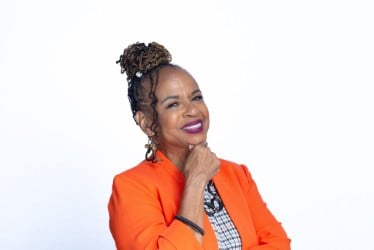
Maxine Bryant, Ph.D., creator and founder GriotSpeaks, is sharing the history of the African diaspora through her new board game.
Bryant often quotes the African proverb: “Until the lion tells the story, the hunter will always be the hero.” She said for the hunter has been telling the story of the African diaspora for “far too long.”
The game is based in African culture. The spaces on the board feature the countries of the African diaspora and it uses gold bars and cowrie shells as currency while special game spaces showcase symbols such as the Sankofa bird, a pyramid and an Ankh.
Bryant, a culture keeper and educator, created the game to add a bit of fun to her ongoing mission of dispelling myths and sharing accurate history. She used the history lessons she taught over the years as the foundation for the game’s trivia questions. Bryant said she is even more motivated to correct the inaccurate narratives due to recent book bans and efforts to minimize or omit the contributions of Black people.
“We can’t tell our story if we don’t know our story,” Bryant said.
History buffs may start the game with a slight advantage, but even players with limited knowledge have a chance to win with some strategic play. During one game demonstration, she said, an 11-year-old beat her with the clever use of one of the game’s wild cards.
Bryant’s goal is for people to learn new information while having a good time with one another. She sat down with the Recorder to share her inspiration for the game and how she hopes it will influence the culture.
This interview has been edited for length and clarity.
What was the inspiration for creating a game?
Maxine Bryant: In all honesty, God gave me the vision for the game.
I put that board game together the way God showed me in in this vision, if you will, it was to be educational, informative, and entertaining. And so, I knew I wanted it to encompass all of the diaspora and with the educational part of it. Since I am a professor, it needed to encompass the critical areas of our history.
So, it’s geography; it’s the resistance, the protest — all of that. It’s … literature, music, the Gullah Geechee culture, storytelling, the whole gamut, and then Black people.
What are some of the things people are surprised to finally learn while playing the game?
Bryant: The genius of Black people.
Many people know Madam C.J. Walker, although I’m finding out that not everybody does. But one of the questions (asks about) who invented the hot comb? Everybody thinks Madam C.J. Walker, but no, that was not her thing. Her thing was hair care and strengthening hair. It was a man (Walter H. Sammons) who created the hot comb. So, people are amazed at what they’re learning.
How do you hope that this new knowledge helps people see the world?
Bryant: So, what I hope people learn is our true history, the history of our struggle, and our resistance, the history of our greatness, and information about our culture. That positions us then to be able to stand tall in knowledge of self.

One of the things I wholeheartedly believe in is that little Black boys and little Black girls who grow up with the message that you are nothing because you are Black … it’s easy for me to take you out. But if I look at you and I know that you’re great and I’m great, I may just have a different kind of level of respect for you.
I think that having a sense of self can impact how I look at myself and how I look at people who look like me.
Is there anything else you want to share?
Bryant: In my mind, this game is a must-have. It is so unique. Now, within the culture, we have trivia games and usually they’re trivia about sports or about entertainment and some about history, right? And usually, it pertains to people in the United States or events in the United States, culture in the United States.
This game contains movement around a physical board like Monopoly, but it also encompasses the entire African diaspora so it’s not just the United States. People who played this game tell me … they’ve never seen anything like it.
GriotSpeaks: The Game is best suited for players 17 and older. The game is available for purchase through Amazon or at the GriotSpeaks website.
Contact Editor-in-Chief Camike Jones at 317-762-7850.
The post Learn Black history and win your next game night appeared first on Indianapolis Recorder.
Based on reporting by Indianapolis Recorder.
Black History
Five Hospitals Said No! Who Will Help Annette Henry Recover?
Annette Henry, a 67-year-old Oakland woman, is struggling to access essential medical care after a devastating stroke left her with a rare neuropathic pain syndrome. Despite medical documentation confirming her need for inpatient rehabilitation, five different Bay Area hospitals have denied her admission, often citing her inability to meet rigid therapy thresholds. Her family’s efforts to seek intervention from state and federal lawmakers have yielded no results, leaving Henry at home without a clear path to recovery. To see how these systemic failures are impacting her health, read more.
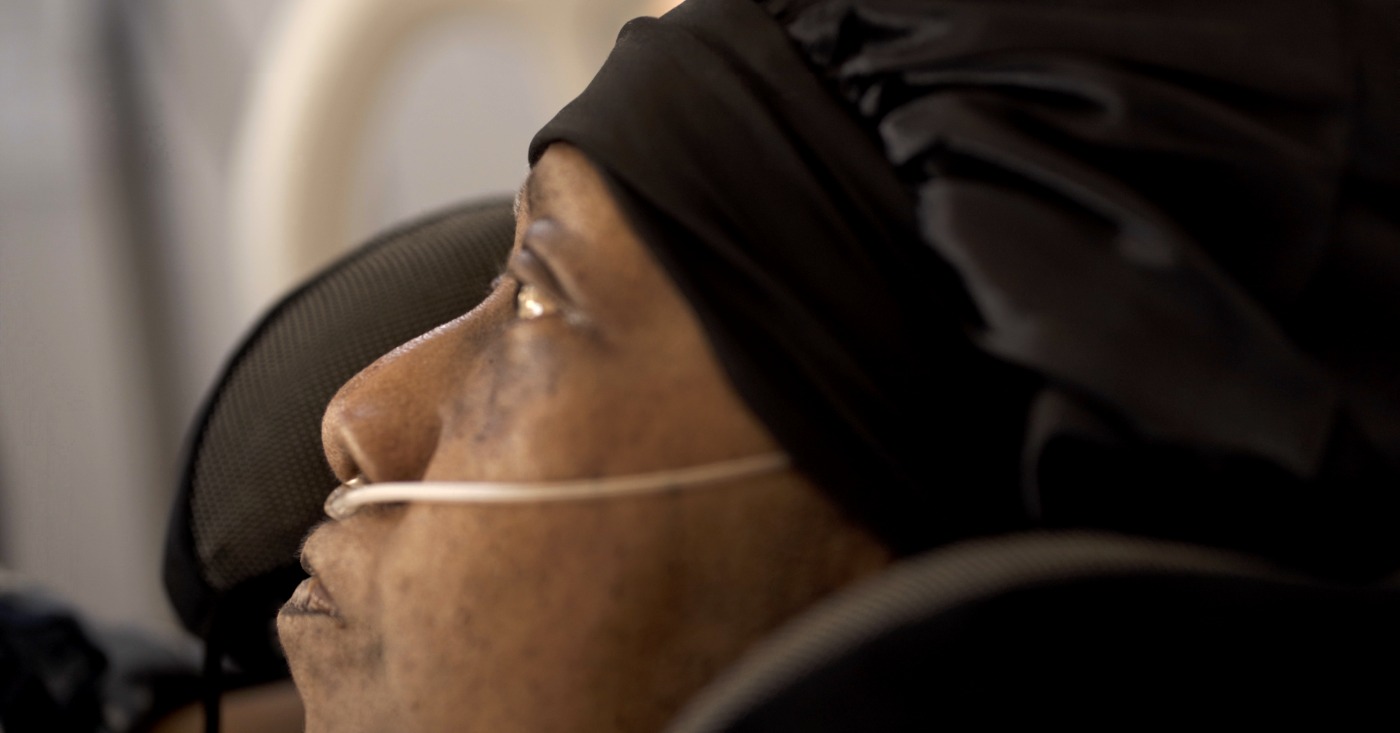
A tangle of red tape and contradictions between health providers and Medicare rules have impeded an Oakland woman’s ability to recover from a stroke she had last year.
Her family – who are her caretakers – have reached out to various professionals and state and federal lawmakers for help to no avail.
At 67, Annette Henry needs inpatient stroke rehabilitation after a devastating stroke in May 2025. Since then, multiple Bay Area hospitals have denied it. She was accepted into a rehabilitation facility in June 2025 but discharged prematurely in July, in essentially the same condition.
Three hospitals where she was a patient pushed skilled nursing over inpatient rehabilitation. Two more declined referrals.
Now at home, Henry is caught in a system that measures her need for treatment against the limitations treatment should address.
Medical professionals have documented her need for a higher level of care.
In August 2025, a Medicare Quality Improvement Organization (QIO) overturned Henry’s discharge from an inpatient rehabilitation facility (IRF).
The QIO’s independent physician reviewer found she had not received the “intensive therapy program outlined on admission,” according to the Aug. 30, 2025, determination letter. Yet the decision did not secure her readmission or guarantee continued rehabilitation.
Henry has central post-stroke pain, a rare neuropathic pain syndrome that can make movement and touch intensely painful. Her pain specialist recommended inpatient rehabilitation alongside pain management.
Nevertheless, facilities have cited her inability to tolerate three hours of daily therapy as a reason to deny inpatient rehabilitation.
That practice raises questions about Medicare coverage policy. In Hooper v. Sullivan, No. H-80-99 (D. Conn. 1989), the court recorded the parties’ agreement that denials based on numerical utilization screens, diagnostic screens, treatment norms, the “three-hour rule,” or other “rules of thumb” were not appropriate.
CMS subsequently cited Hooper in its Aug. 7, 2009, final rule (74 Fed. Reg. 39762, 39794). The policy is also addressed in the Medicare Benefit Policy Manual, Chapter 1, Section 110, and CMS’s June 1 Review Choice Demonstration for IRF Services: Operational Guide.
These authorities underscore the need for individualized assessments rather than rigid numerical thresholds.
The central contradiction is stark: the pain and disability that make rehabilitation necessary have been cited as reasons to deny it. UCSF Stanyan’s April 7 discharge summary for Henry states that acute rehabilitation unit (ARU) placement was declined for “inability to tolerate three hours of therapy daily.” Without appropriate treatment, Henry risks further decline.
Her records document complications associated with prolonged immobility.
Orthopedics documented flexion contractures of the small and ring fingers on March 19.
Chest imaging on April 1 showed bibasilar dependent atelectasis, a condition involving reduced inflation of the lower portions of both lungs. These concerns can be examined through her medical records and photographs.
“What does a ‘not reasonable’ discharge look like?” her family asks. For them, it looks like an appeal decision recognizing a problem without ensuring a remedy: repeated referrals, denials and a patient still without the rehabilitation her treating professionals have recommended.
The family has sought help from the California Department of Public Health and the federal Office for Civil Rights to no avail. They contacted U.S. Rep. Lateefah Simon in June 2025, while Henry was in rehabilitation; Senator Alex Padilla in May 2026; and Senator Adam Schiff in September 2026.
DeCuir says the family received no meaningful assistance and was redirected to the QIO or advised working with a social worker after Henry had already been discharged.
The consequences extend beyond rehabilitation. The family reports that Henry has struggled to attend in-person specialist or any appointments and needs in-person evaluation and treatment for complications, recommended evaluations, health screenings and preventive care.
Her mobility limitations have become barriers to broader medical care. Every office tells her their office is not set up to accommodate her. This has happened with specialty care, out-patient services, screenings and physical therapy.
Henry is a Black woman on Medicare, and her family believes her experience raises concerns about unequal access to intensive rehabilitation. Research has documented disparities in discharge to inpatient rehabilitation rather than skilled nursing, underscoring the importance of individualized review.
CMS, state regulators and healthcare providers should examine Henry’s records, assess her needs on their clinical merits and explain how the applicable coverage standards were applied, and whether they are being enforced.
Rehabilitation is not a reward for patients who can already tolerate treatment. It is care intended to help people recover function. Henry’s case asks whether a system designed to support recovery can leave a patient without a path to it.
Black History
From Backyard Grilling to Jack London Square: Jamale Carlyle’s Chicken Wing Success Story
Jamale Carlyle turned a backyard hobby into a flourishing business after using grilling to cope with the loss of his mother and sister. The former corporate executive and CPA transitioned from a twenty-year career in the power industry to selling chicken wings at farmers’ markets in Tracy and Oakland. Following immediate success and viral social media attention, Carlyle opened two permanent storefronts and established a charitable partnership to support local youth. His journey highlights a unique path from internal auditing to community entrepreneurship. Read more.
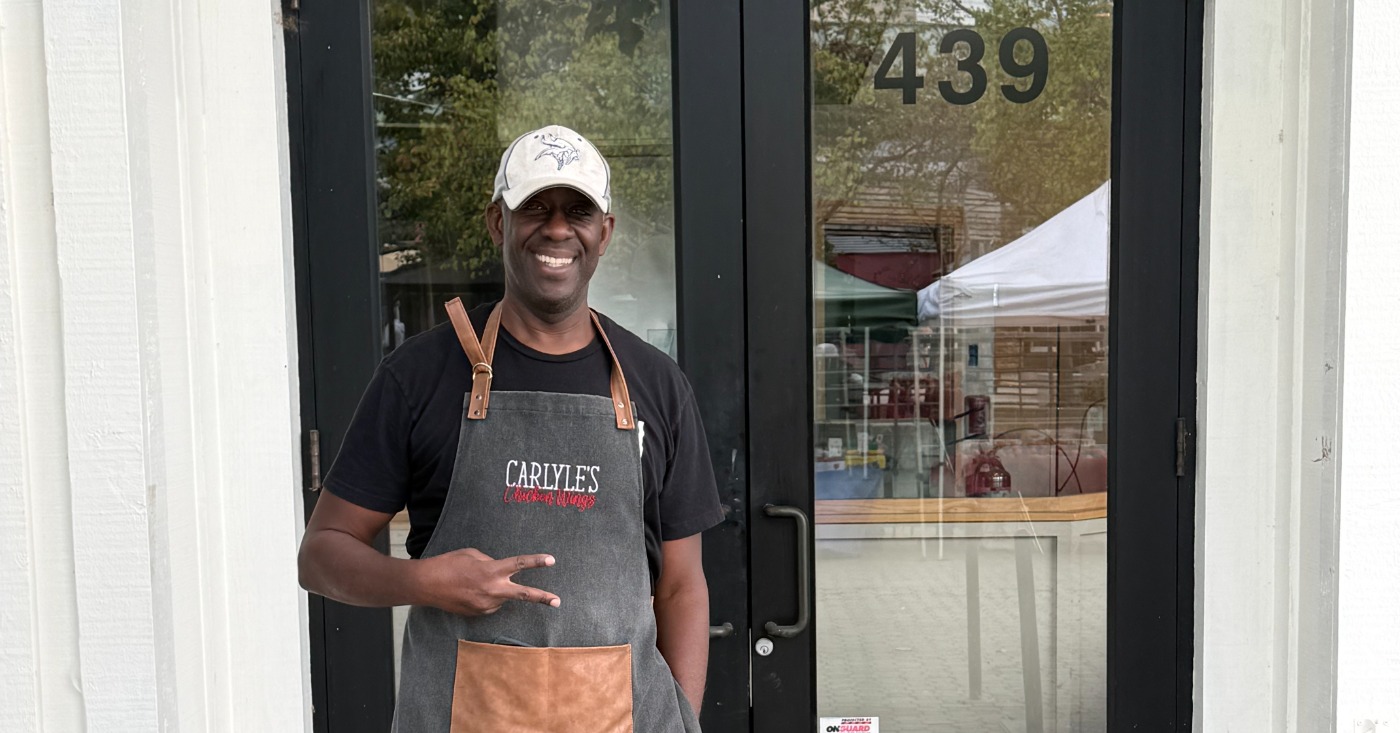
For Jamale Carlyle, what began as a way to cope with personal loss has grown into a thriving chicken wing business with locations in Tracy and Oakland’s Jack London Square.
Raised in Los Angeles, Carlyle remains a southern kid at heart, guided by the values and principles instilled in him growing up. In 2020, he lost his sister, and two months later, his mother passed away. The losses left him grieving half of his immediate family and searching for a way forward.
He turned to God, and to two favorite pastimes: grilling chicken wings and deep sea fishing. Friends who gathered in his backyard encouraged him to turn his chicken wings into a business.
Carlyle had built a successful corporate career before becoming an entrepreneur. An economics graduate of the University of California, Irvine, he earned a master’s degree in accounting from the University of Southern California and became a certified public accountant (CPA).
He spent more than 20 years in the power industry, including working for Edison International in Los Angeles and Boston. He later joined JP Energy Partners in Dallas, helping its team take the company public.
After moving to San Francisco in 2016, Carlyle spent 10 years with Pattern Energy, a wind energy company, where he served as vice president of Internal Audit and took on numerous corporate responsibilities.
But in 2025, grilling became more than a hobby. Carlyle began selling his wings at farmers’ markets, initially dedicating four hours every Saturday. Nervous about his first outing in Tracy, he wondered whether his friends had simply been encouraging. Instead, he sold out on opening day.
He later brought his business to Jack London Square’s Farmers Market, where he again sold out on his first day. As demand grew, he expanded into catering before opening his Tracy storefront in May 2026 and his Jack London Square location in July.
Social media helped fuel the momentum. In Tracy, enthusiastic reviews on the community’s Rants and Raves Facebook page brought customers through the door. His Jack London Square debut also gained traction online, generating approximately 100,000 views on social media on his on opening day.
Still processing the rapid growth, Carlyle describes the business as something that began in his backyard as a stress reliever and became an unexpected calling, and a way of giving back.
“Giving back” has led to a partnership with Mike Jenkins, owner of Oakland Strong, a nonprofit gym known for Olympic style weight lifting and developing national and international champions. After Jenkins visited Carlyle’s store with members of his team, Carlyle returned the visit, and the two began discussing ways to partner to support the community.
“I’m really big on charity. I believe in giving back to the community,” Carlyle said. “I knew before I opened my store, I’d be doing something like this, this is what God wants me to do.”
Their collaboration will introduce the “Oakland Strong Bowl,” featuring 10 dry-rub Cajun wings and a vegetable-rice bowl for $17.99, with $2 from each purchase donated to the Oakland Strong Foundation. The initiative is expected to launch in early November.
“This builds community in Oakland and Jack London Square,” Carlyle said.
Looking ahead, Carlyle plans to expand the menu with chicken thighs, chicken tacos and additional sides. He is also pursuing a liquor license to create a destination where customers can enjoy wings while watching sports.
For now, he is focused on growing his two locations. But with customers embracing his food and his commitment to giving back, Carlyle sees the possibility of bringing his chicken wings to more communities throughout the Bay Area.


How Financial Transparency Brought My Team Together #shorts

How the Sandwich Generation Can Help Protect Aging Parents’ Finances

As Progressive Democrats Celebrate ‘Blue Tsunami,’ Oakland Counts Victories

Golden State Valkyries Become Bay Area Legends Winning WNBA Championship on Halloween Night

IN MEMORIAM: Marcia Ann Gillespie, Editor of Essence and Ms. Magazines, Dies at 82

U.S. Rep. John Garamendi Honors local ‘Women of the Year’ at Annual Awards Ceremony

Pete Rhodes on 45 Years of Building Black Media in Minnesota | Blacklight on Sports

Richmond Neighbors Put Pantry Power on the Map

Oakland Latino Chamber of Commerce Hosts Statewide Convention, Generating $3 Million in Economic Impact

Find Black-Owned EV Businesses That Invest in Your Community #shorts

All Skinfolk Ain’t Kinfolk

Practitioners of African Traditional Spirituality Offer Ancestral Reverence Ritual Oct. 31

Latinas Deserve Equal Pay. Unions Help Make It Happen.

Tamiko Armstead | 2026 Lifetime Achiever in Education

Oakland Awarded More than $14 Million in State Funding

OP-ED: The Black Church Writes AI’s Next Chapter

2026 Voting Guide: Every Candidate and Proposition Explained!

Jendayi Arrest Raises Community Concerns Regarding Sheriff’s Chain of Command

Inside 820 S. Michigan: New Book Captures the Lost World of Ebony and Jet

OP-ED: If the ‘Cornell 7’ Were Black Men at an HBCU — America Wouldn’t Be This Sympathetic
How Financial Transparency Brought My Team Together #shorts
Pete Rhodes on 45 Years of Building Black Media in Minnesota | Blacklight on Sports
Find Black-Owned EV Businesses That Invest in Your Community #shorts

Stand, Rep, Vote

Houston Igbofest welcomes legendary Ijele Masquerade

Stand Rep Vote – Explainer

Judge V’s Bees make sweet honey in the Tre

Cyberstalking Nightmare Exposes Hidden Dangers of Online Accounts

“The Right People on the Bus”: Coach Tremaine Jackson on Prairie View’s Turnaround

Defender Athlete of the Week – Kwabena Dako
-
 Black History1 day ago
HISTORY MADE: Keisha Lance Bottoms Becomes First Black Woman Elected Governor in American History
-

 Black History1 week ago
Retirement Triggers Doctor to Pen Book for Young Audience
-

 Featured4 days ago
Multi-Faith Leaders Representing 10 Million People Launch National Anti-Authoritarian Initiative
-

 Black Press1 week ago
Fatigue, Bloating, and Inflammation: Spotting the Subtle Signs of MASLD
-

 Art1 week ago
Brooklyn Roots and Artistic Genius
-

 Black Press1 week ago
Dallas Trinity FC Signs Kaiya Brewer to Academy Contract
